
For me, incorporating art into a home is not simply about finding something that works with the colour scheme. It is about creating a connection between the artwork, the architecture and the people who live there.
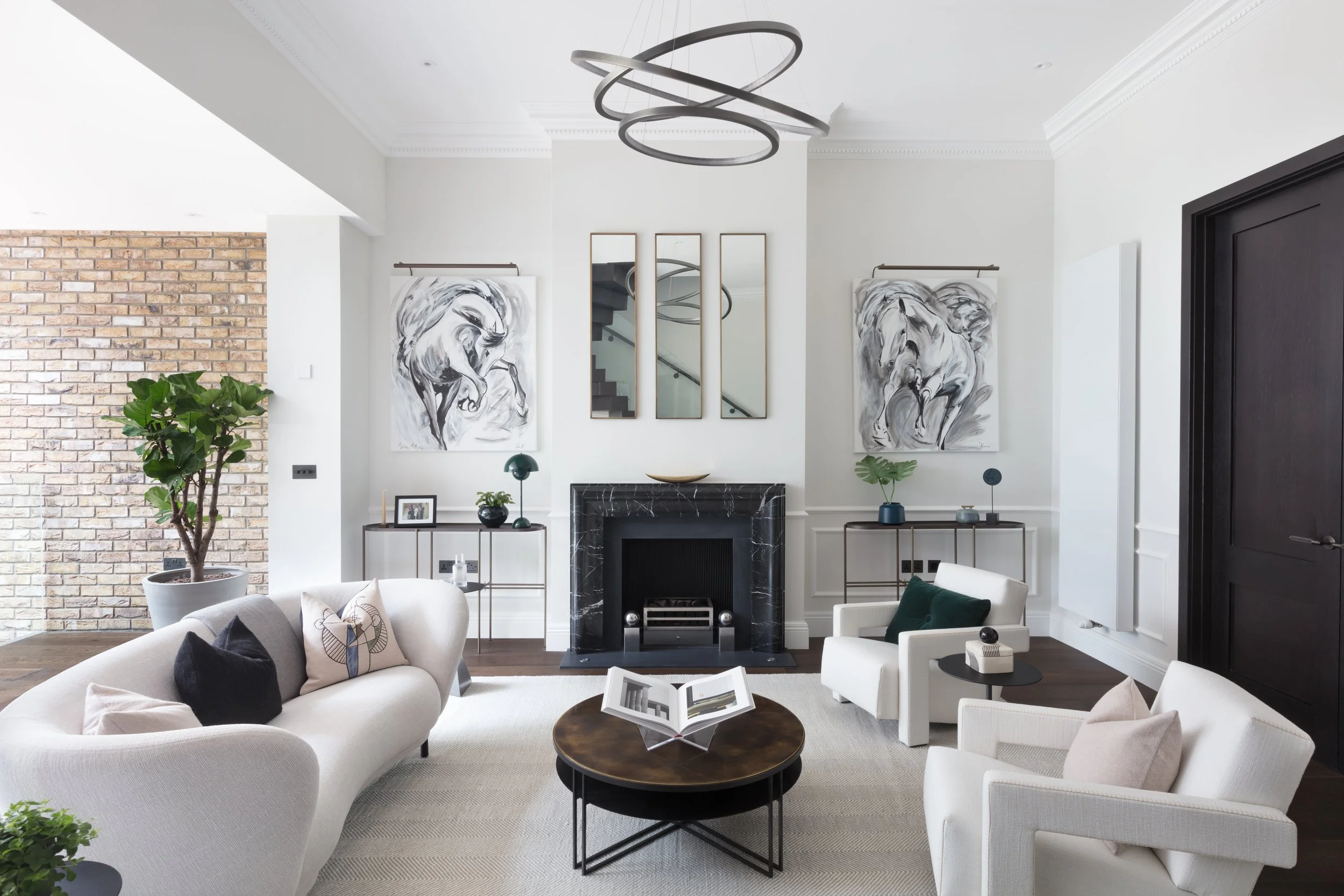
Art has a wonderful ability to bring personality and individuality to a home. Beyond its decorative qualities, it can influence the atmosphere of a room, introduce an unexpected colour or texture, and create a connection between the architecture of a space and the people who live within it. Whether it is an original painting, a photograph collected on your travels or a piece discovered in a small gallery, the artwork we choose to surround ourselves with often tells a story about who we are.
Choosing art for your home is not simply about finding something that complements the furniture or works within an existing colour scheme. The most interesting interiors often bring together pieces from different periods, styles and places, creating a collection that feels personal rather than overly coordinated. A painting might introduce a contrasting colour to an otherwise restrained room, while a sculptural piece can add depth and interest to a quiet corner. It is this individuality that gives a home character and makes it feel collected over time.
Choosing Art That Feels Personal
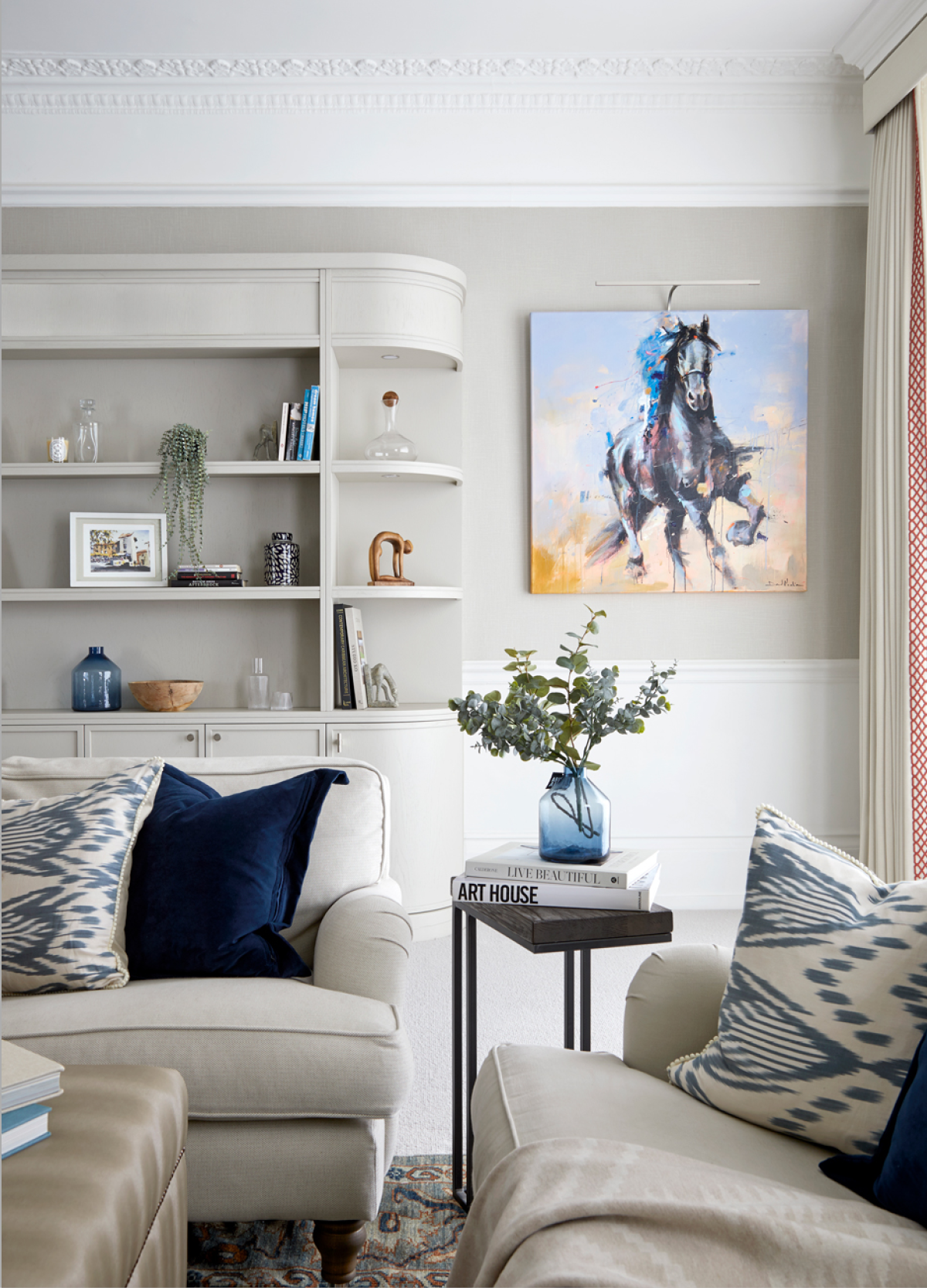
For many people, knowing where to begin can be the most challenging part of collecting art, particularly when considering pieces that may become part of their home for many years. Rather than approaching the process with a particular style or investment value in mind, I would encourage starting with what naturally draws your attention. It might be the colours within an abstract painting, the familiarity of a landscape or simply the feeling a piece evokes. Art is deeply personal, and there is no reason why everything within a collection should follow the same aesthetic.
Some of the most successful interiors are those where artwork has been chosen instinctively rather than to fulfil a particular decorative purpose. A piece does not necessarily need to match its surroundings to feel at home within them. In fact, allowing art to introduce an element of contrast can make a space feel more interesting and layered. The important consideration is whether it is something you genuinely enjoy and want to live with.
Building a collection gradually also allows it to develop alongside you. Art acquired during travels, discovered at exhibitions or purchased to mark a particular occasion often carries memories and associations that extend far beyond its visual appeal. Original works, limited-edition prints and photography can all sit comfortably together, and there is no need to fill every wall immediately. A collection that evolves over time will often feel more authentic than one assembled all at once..
The Relationship Between Art and Interior Design
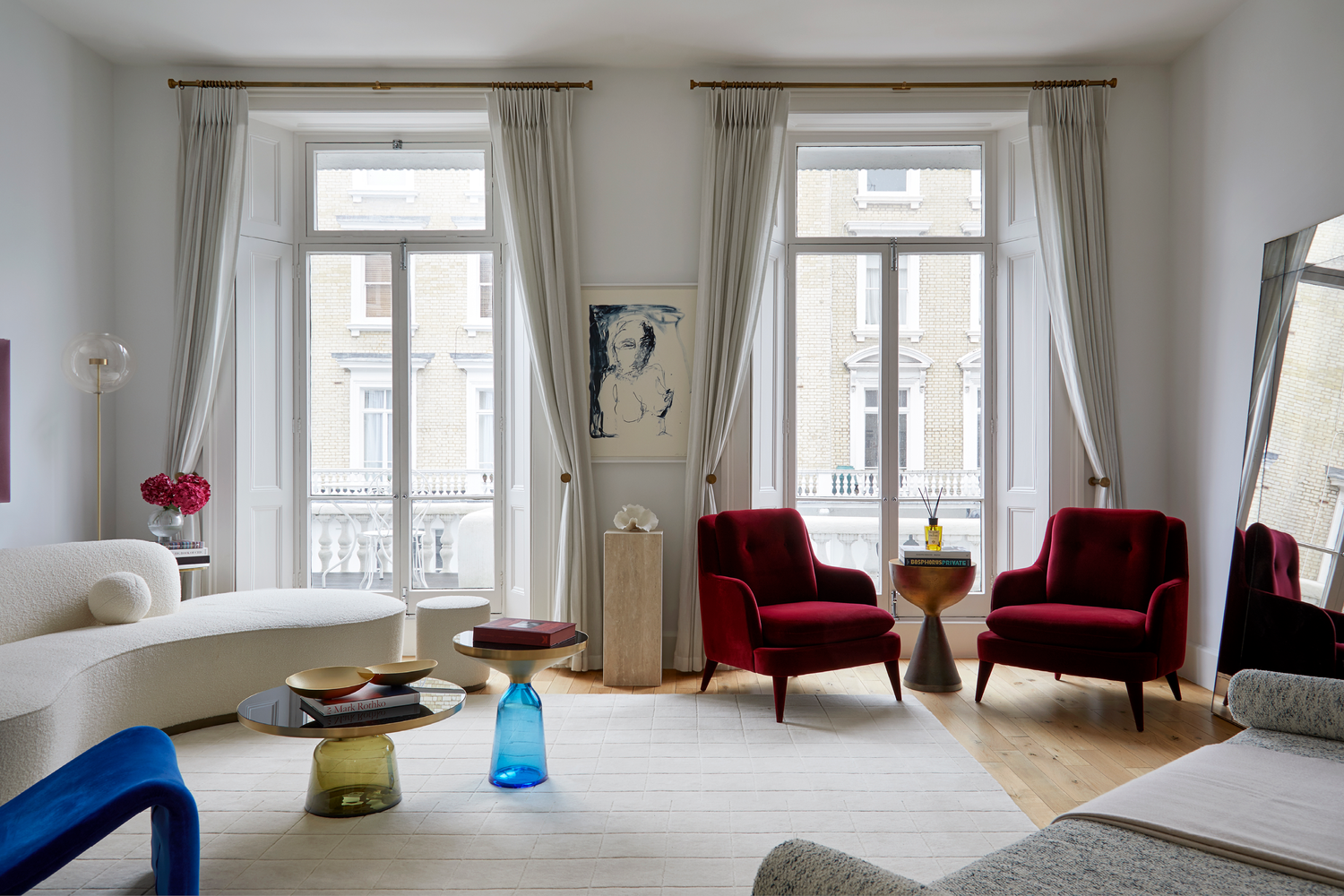
When incorporating artwork into an interior, it is important to consider how each piece relates to the architecture and proportions of the room. Scale, positioning and lighting all influence how art is experienced, and thoughtful placement can make a significant difference to the overall balance of a space.
A large painting might provide a natural focal point in a sitting room, while a smaller work can create a more intimate moment in a hallway, study or bedroom. Equally, a carefully arranged collection of smaller pieces can introduce rhythm and interest to a wall without feeling overly formal. The relationship between the artwork and the surrounding furniture, materials and architectural details should feel considered, while still allowing the piece itself to have its own presence.
Lighting is another important element. Natural light changes throughout the day and can alter the way we perceive colour, texture and detail. Artificial lighting, when carefully positioned, can help highlight a particular work and create atmosphere in the evening. Framing also deserves attention, as the right choice can complement both the artwork and the character of the interior without distracting from either.
These decisions are often subtle, but they contribute enormously to the way a room feels. Art should sit comfortably within a space, rather than appearing to have been added as a final decorative layer.
Creating a Home with Character
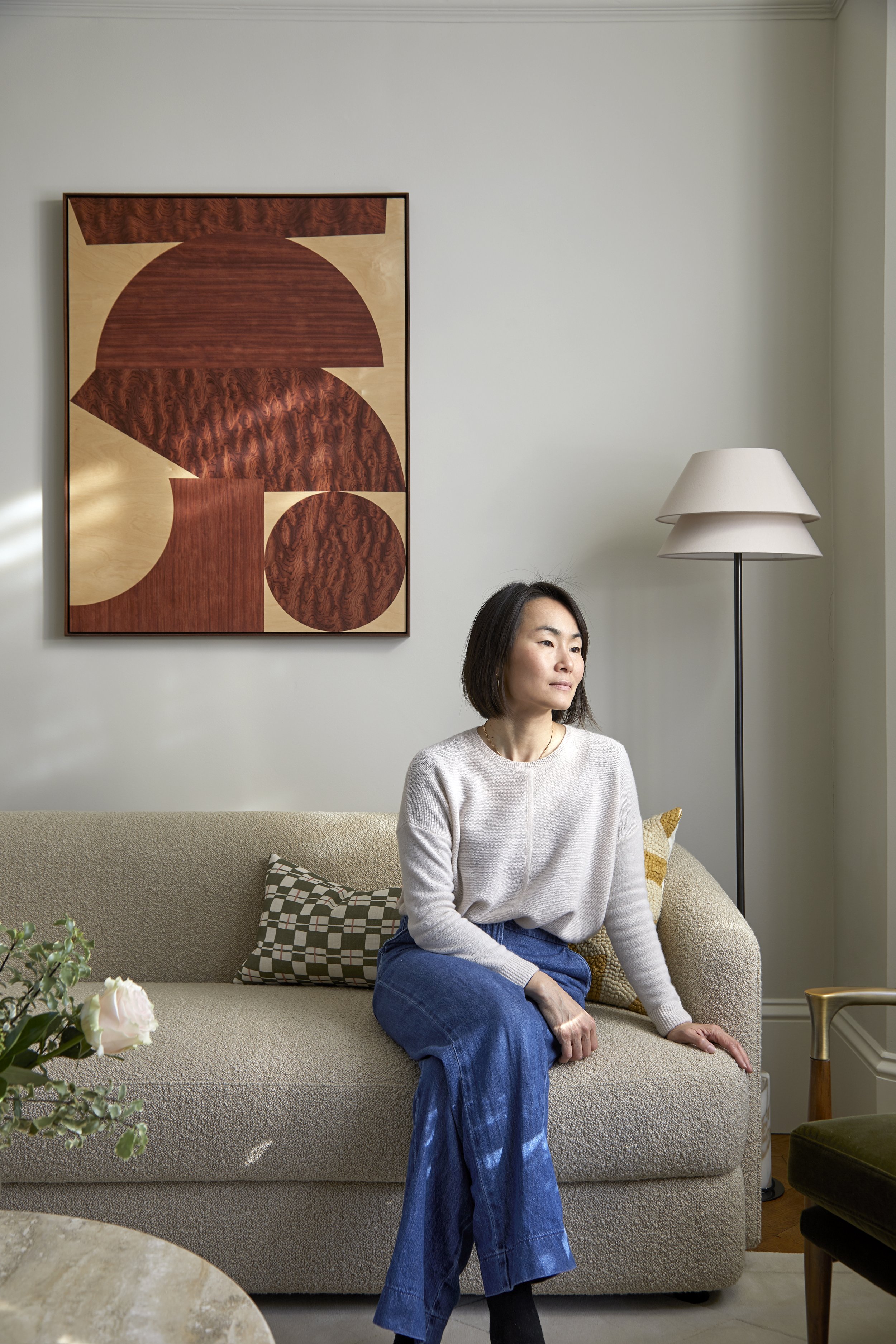
One of the pleasures of living with art is the way it interacts with the other objects we collect throughout our lives. A painting displayed alongside an inherited piece of furniture, a favourite ceramic or a collection of books can create a sense of history and individuality that is difficult to replicate.
There is also value in allowing some space around artwork. Not every wall needs to be filled, and a single piece, thoughtfully positioned, can sometimes have more impact than a larger collection. Giving art room to breathe allows it to be appreciated as part of the wider interior, while maintaining a sense of balance and calm.
Ultimately, choosing art for your home should be an enjoyable process rather than something approached with too many rules. The most memorable interiors are not necessarily those with the most valuable collections, but those where the artwork feels connected to the people who live there. Whether a piece challenges, comforts, inspires or simply brings pleasure to an ordinary day, that personal connection is what makes it worth living with.
Bringing Art into Your Home
Whether you are beginning a collection or looking to incorporate existing pieces into your home, thoughtful interior design can help bring art, architecture and everyday living together.
If you are considering a project and would like to explore how art can become part of your home, I would be delighted to hear from you. Get in touch to discuss your project.