
What 20+ Years in Interior Design Has Taught Me About Creating a Home
After more than twenty years working in interior design, I have learnt that creating a successful home is rarely about following a particular style or set of design rules. Every client has a different idea of what home should look like. Different routines, priorities, collections, families and ways of living all shape the spaces we create.
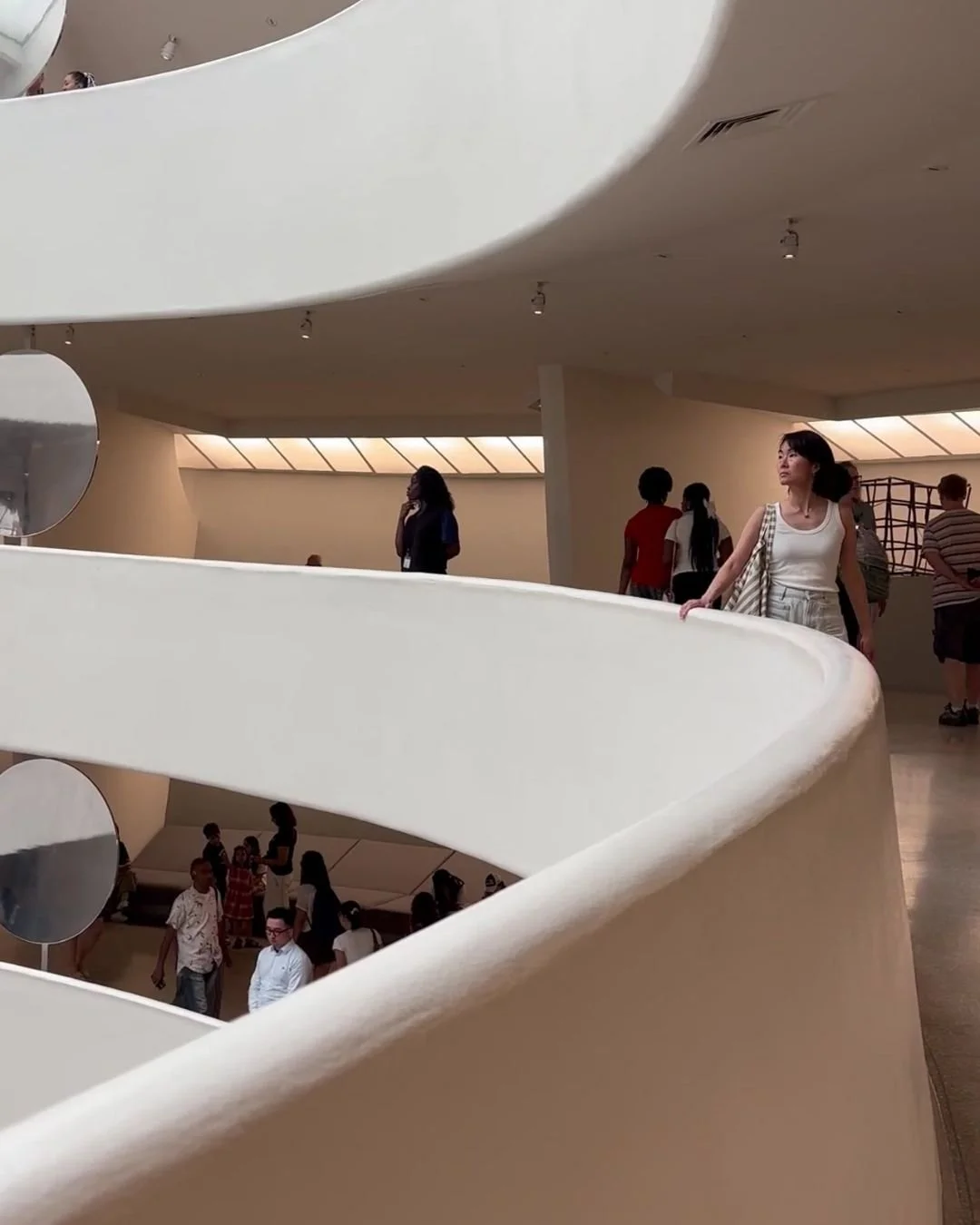
Start with how you want to live
Before thinking about colours, fabrics or furniture, we need to understand how a home needs to work.
How do you move through the space? Where does everyone naturally gather? What needs to be stored? How do you entertain? Where do you retreat at the end of the day?
A home feels truly considered when it reflects the lifestyle of the people living there and the practicalities of everyday life have been thought through.
This is one of the reasons my architectural training continues to influence the way I work. I tend to think about space, proportion and detailing before I think about decoration.
Good design takes time
One thing I think is often underestimated about interior design is simply how long good design takes.
There are hundreds, sometimes thousands, of decisions involved in a renovation. Some are significant and visible; others are incredibly small details that may barely be noticed once the project is complete.
Layouts, lighting, electrical plans, joinery, sanitaryware, materials, finishes and furniture all need to work together. Many decisions also need to be made far earlier in the process than a client might expect.
Allowing enough time to properly develop a design means those decisions can be considered as part of the whole rather than made reactively on site.
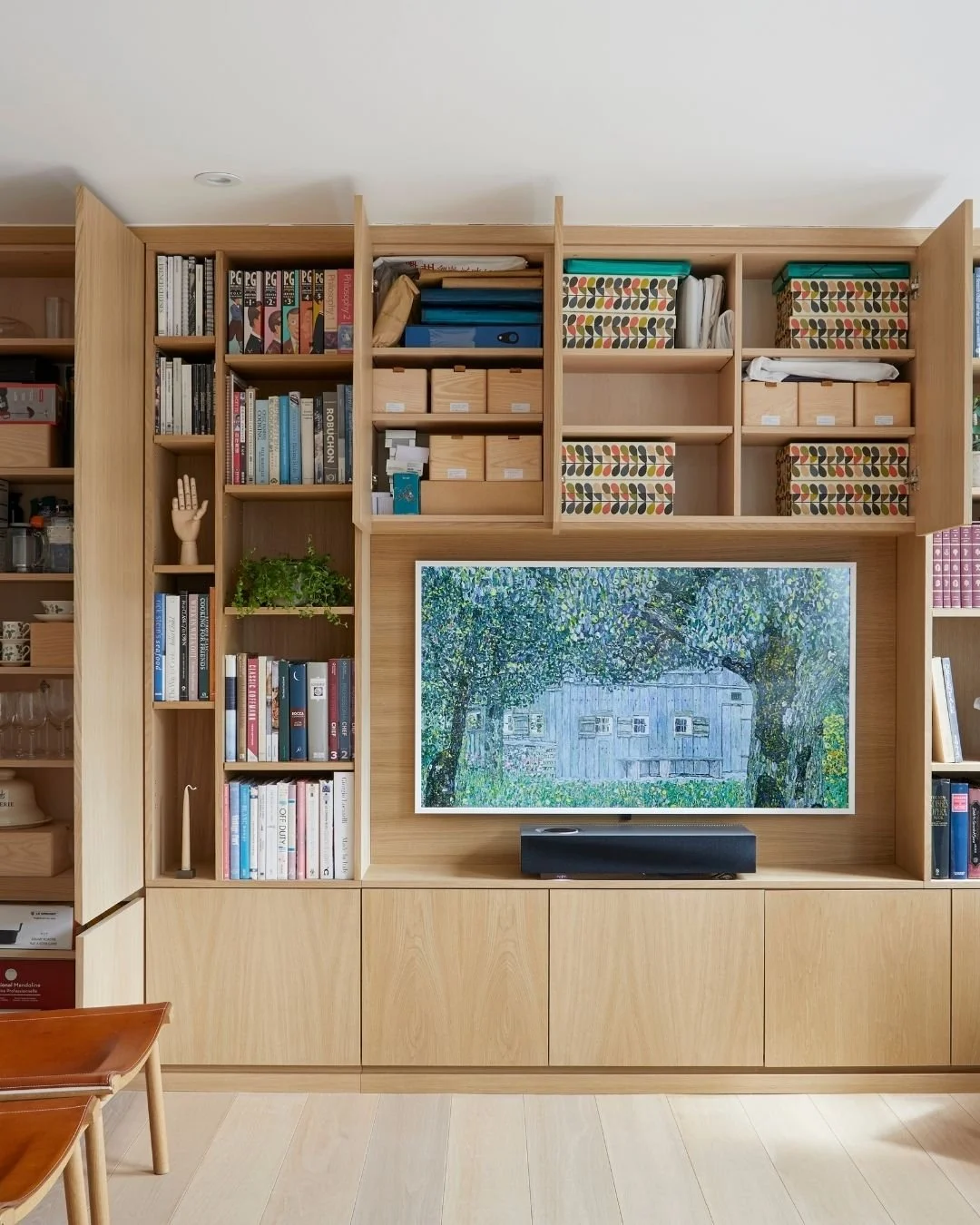
The practical decisions matter just as much as the beautiful ones
Some of the most successful details in a home are the ones you barely notice.
A socket in exactly the right place. Somewhere to put down a drink beside a sofa. Lighting that works differently throughout the day. Storage designed around what actually needs to live inside it.
These details might not be the first things you notice in a finished photograph, but they have an enormous impact on how enjoyable a home is to live in.
For me, that balance between the practical and the beautiful is fundamental to good interior design.
Lighting can completely change a room
If there is one detail capable of transforming how an interior feels, it is good lighting.
Lighting should be considered at the beginning of a project rather than treated as a finishing touch. Natural light, architectural lighting and decorative lighting all play different roles, and the most successful schemes usually involve a combination of the three.
The aim is not simply to illuminate a room, but to create atmosphere and allow a space to adapt to different times of day and different ways of using it.
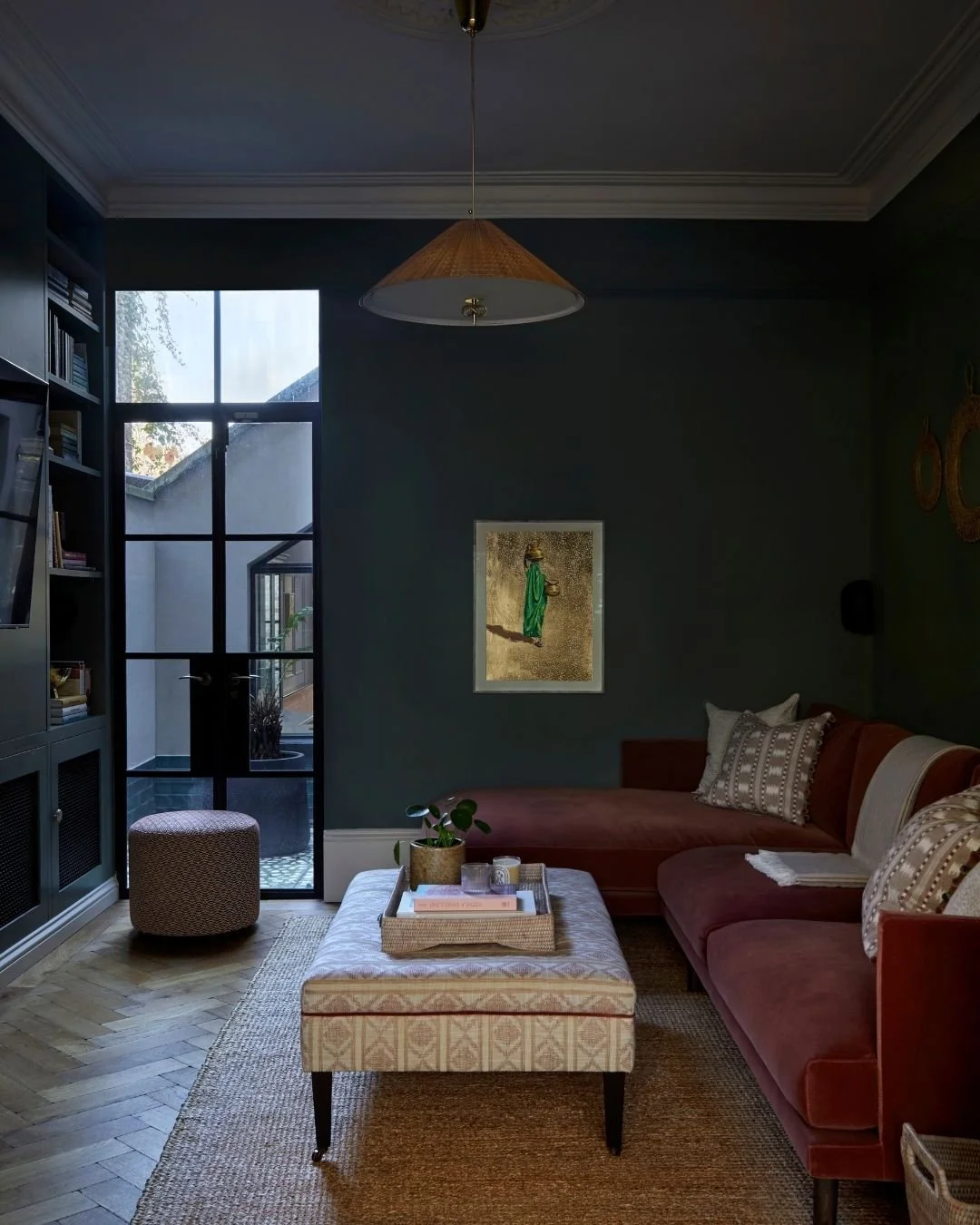
Timeless does not mean neutral
I am often asked about creating interiors that will stand the test of time.
For me, timeless design is not about avoiding colour, pattern or anything that might give a home personality. It is about creating something that can age well and take on new meaning over time.
Homes naturally evolve. Artwork is collected, furniture moves, families change and objects are added over the years.
A good interior should provide a strong foundation for that evolution rather than feel as though it belongs to one particular moment.
Your home should still feel like you
Interior design is incredibly subjective, which is why I have never particularly believed in rigid design rules.
A designer brings experience, ideas and a trained eye to a project, but ultimately we are creating somebody else's home.
The finished space should therefore feel personal to the people living there rather than like a showcase of the designer's own style.
Some of my favourite projects are those where the client's existing artwork, furniture, collections or memories have become part of the starting point for the design.
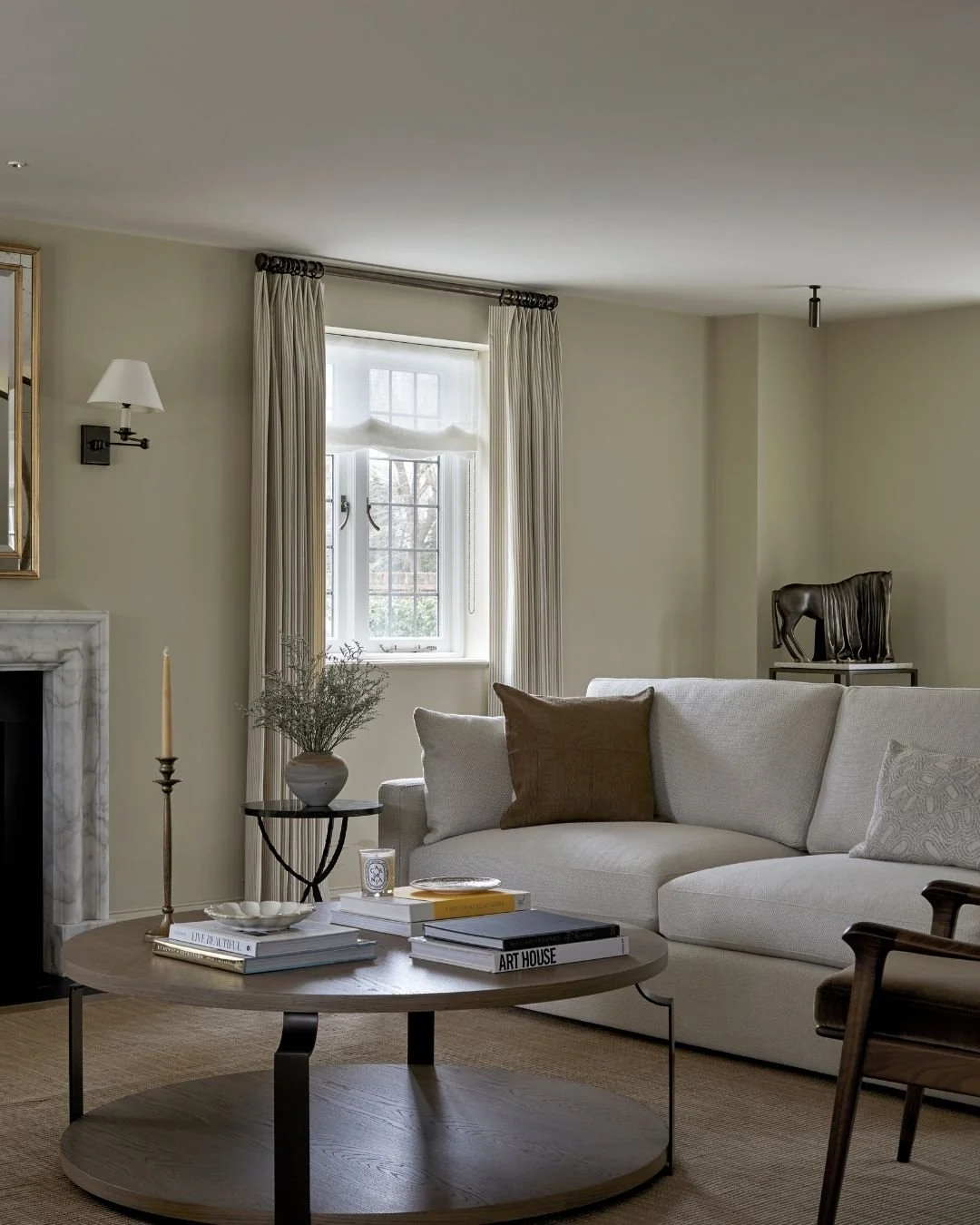
And finally, home should feel like a sanctuary
After more than twenty years, perhaps the biggest lesson is that everyone has a different definition of what a home should look like, but the feeling we want from it is often remarkably similar.
It should be somewhere we can retreat to, feel comfortable in and be ourselves.
A beautifully designed home is wonderful, but the real measure of its success is how it feels to live there.
That is something I hope sits at the heart of every home we create.
Considering your own project? You can find out more about our approach and how we work with clients through the studio's Services and Enquiry page.