
How to Be a Great Client
The most successful interior design projects are built on more than a strong design concept. Clear communication, mutual trust and a shared understanding of the process all play an important role in creating a home that feels considered, personal and beautifully resolved.
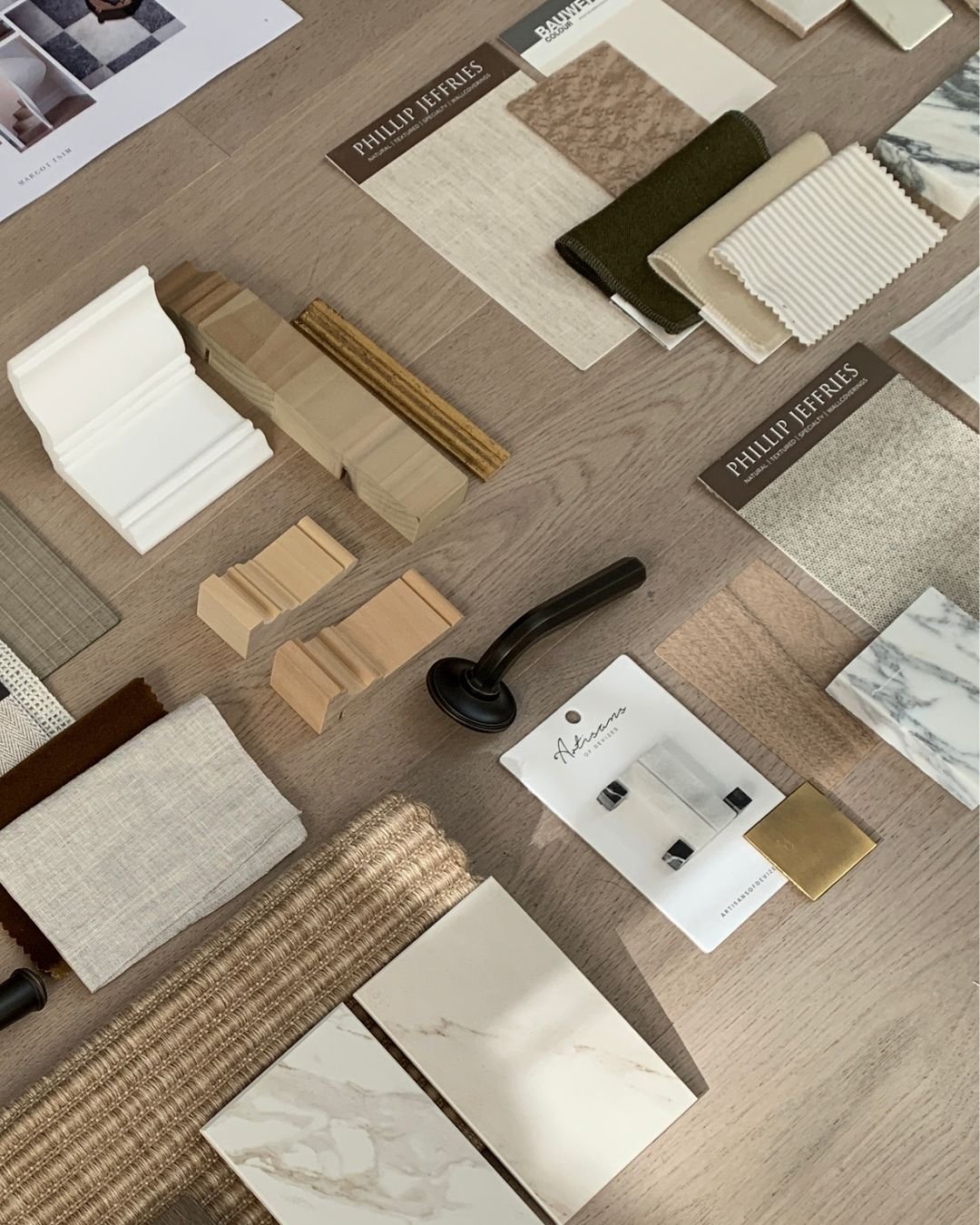
Every interior design project is a collaboration.
As designers, we bring experience, creativity and a detailed understanding of the process, but our clients bring something equally important: an understanding of how they live, what they value and what they ultimately want their home to become.
Over the years, we have found that the most enjoyable and successful projects are often those where there is a strong sense of trust between client and designer from the outset. When everyone is aligned on the brief, budget and expectations, it allows the design process to unfold far more naturally.
So, if you are considering working with an interior designer, there are a few things that can help you get the very best from the experience.
Start with an honest brief
A good design brief goes far beyond a list of rooms and furniture requirements.
We want to understand how you actually live. How do you spend your mornings? Where does everyone naturally gather? Do you entertain regularly? What frustrates you about your current home? Are there pieces you already own and love?
It is equally useful to understand what you do not like. Sometimes knowing what a client wants to avoid can tell us just as much as a collection of inspirational images.
The more open these early conversations are, the better we can create a home that feels personal rather than prescribed.
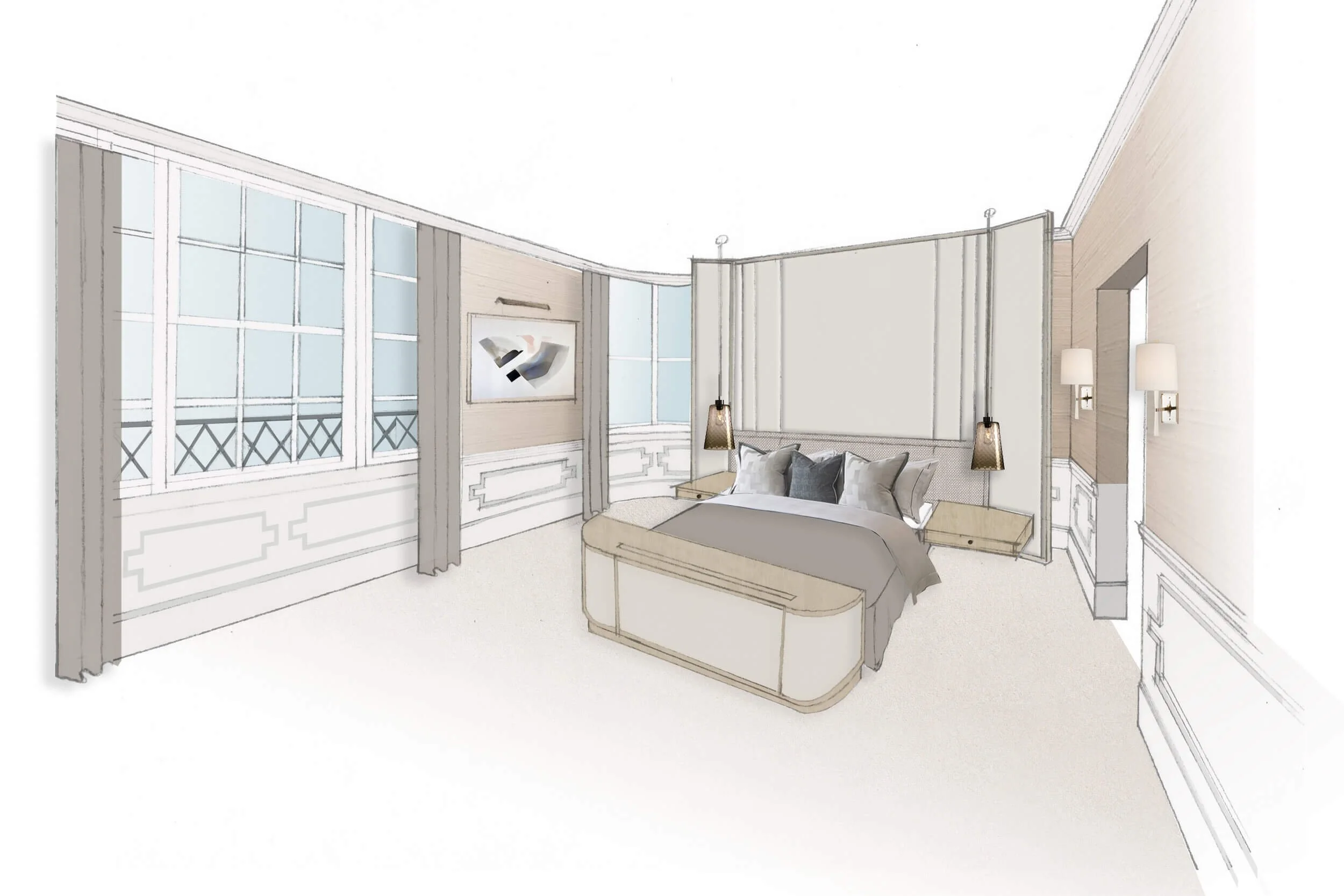
Be open about budget
Budget can sometimes feel like a difficult conversation at the beginning of a project, but it is one of the most important.
Being transparent about your investment level allows us to make informed decisions from the outset and advise where it is worth spending, where we might simplify and how best to allocate the budget across the project.
Without that clarity, there is a risk of developing ideas that later need to be significantly revised, costing both time and momentum.
A realistic budget is not about limiting creativity. Quite the opposite. It gives us a framework within which to make the best possible design decisions.
Trust the process
It can be tempting to focus on individual decisions as they arise. A particular fabric, paint colour or piece of furniture might feel difficult to imagine before the rest of the scheme is in place.
Interior design, however, is about looking at a home as a whole.
Every element is considered in relation to something else. The joinery relates to the architecture, the furniture to the proportions of the room, and the lighting and materials to the atmosphere we are trying to create.
This is why we always encourage clients to consider the overall design rather than viewing each decision in isolation.
There will inevitably be moments where we suggest something you may not have initially considered. This is often where the most interesting parts of a project begin.
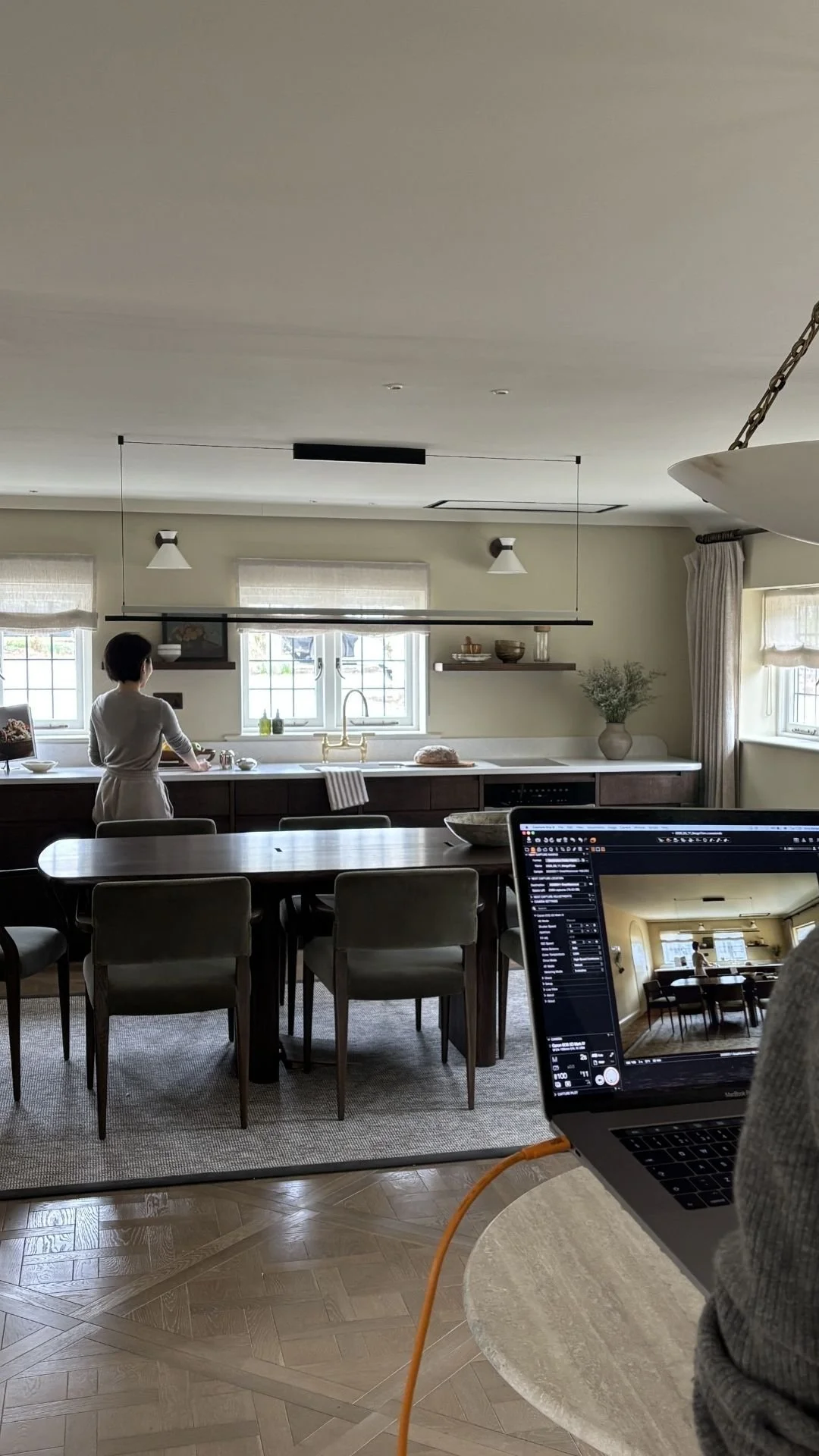
Make decisions at the right time
There are hundreds of decisions involved in a full refurbishment, and many of them need to happen much earlier than clients might expect.
Lighting positions, bathroom fittings, joinery details and electrical requirements often need to be resolved long before a room begins to resemble the finished space.
Changing these decisions later can have implications for cost, programme and other elements of the design.
A clear design process helps ensure decisions are made in the right order, giving everyone involved the information they need at the appropriate stage.
Give clear and considered feedback
Feedback is an important part of the design process and we always want clients to feel comfortable sharing their thoughts.
Where possible, it is helpful to consider a design presentation as a whole before responding to individual elements. Taking a little time to digest the proposal often leads to much clearer feedback than making decisions in the moment.
For couples or families, it can also be helpful to discuss feedback together before sharing it with the design team. A consolidated response allows us to understand what is working, what needs further consideration and how best to move the design forward.
Good feedback does not need to use design terminology. Sometimes a simple feeling such as something being too formal, too cold or not quite comfortable enough tells us exactly what we need to know.
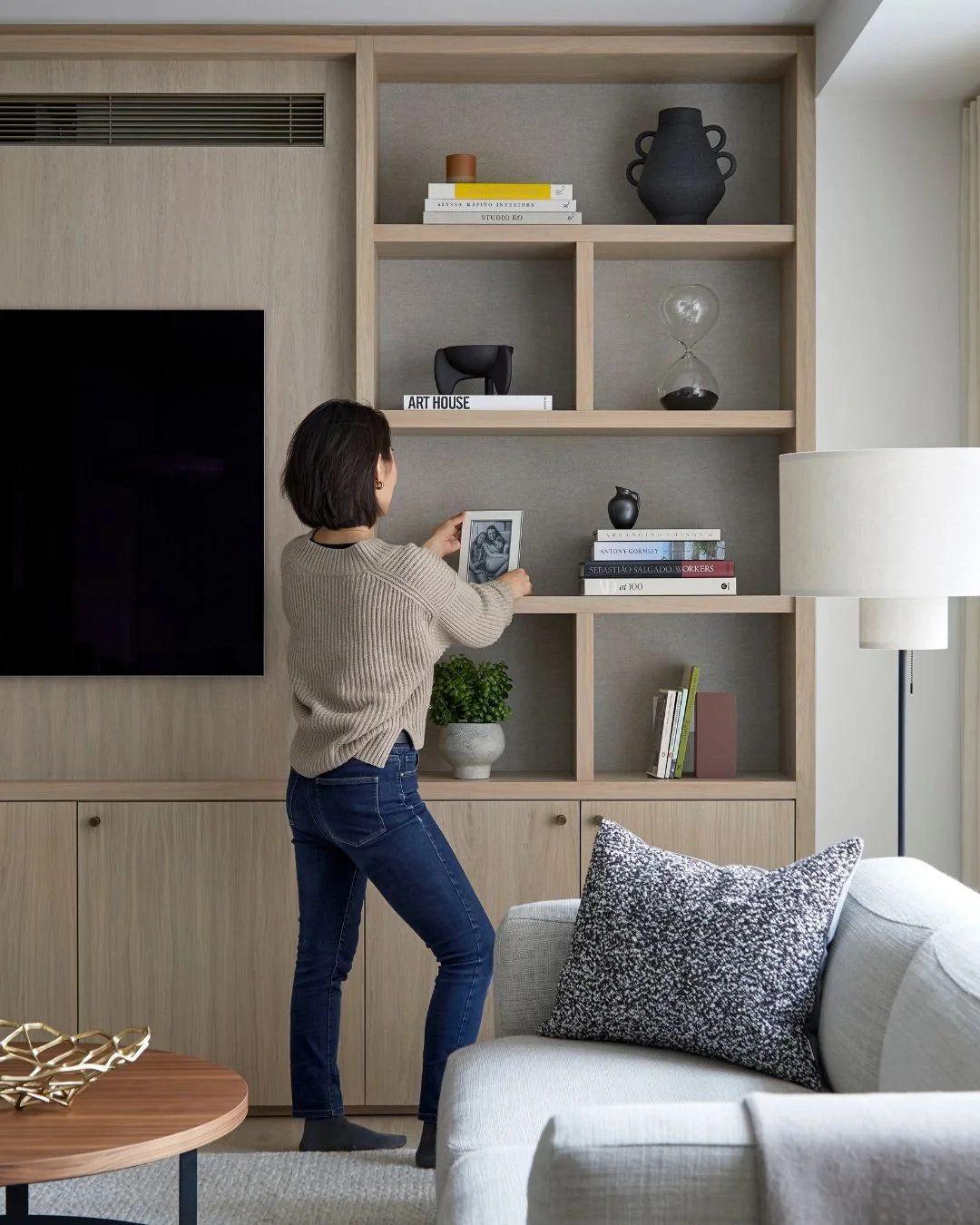
Allow time for good design
A full interior design project is rarely a quick process.
For a substantial refurbishment, the design phase alone can typically take between three and six months, followed by technical design, construction, procurement and installation.
There are also elements that simply cannot be hurried. Bespoke furniture and joinery take time to make. Natural stone needs to be selected and fabricated. Specialist finishes involve skilled craftspeople. Furniture and lighting can have significant lead times.
Planning for this from the beginning allows the process to feel considered rather than rushed and gives us the opportunity to source pieces and materials that are right for the home rather than simply those that are immediately available.
Understand that projects evolve
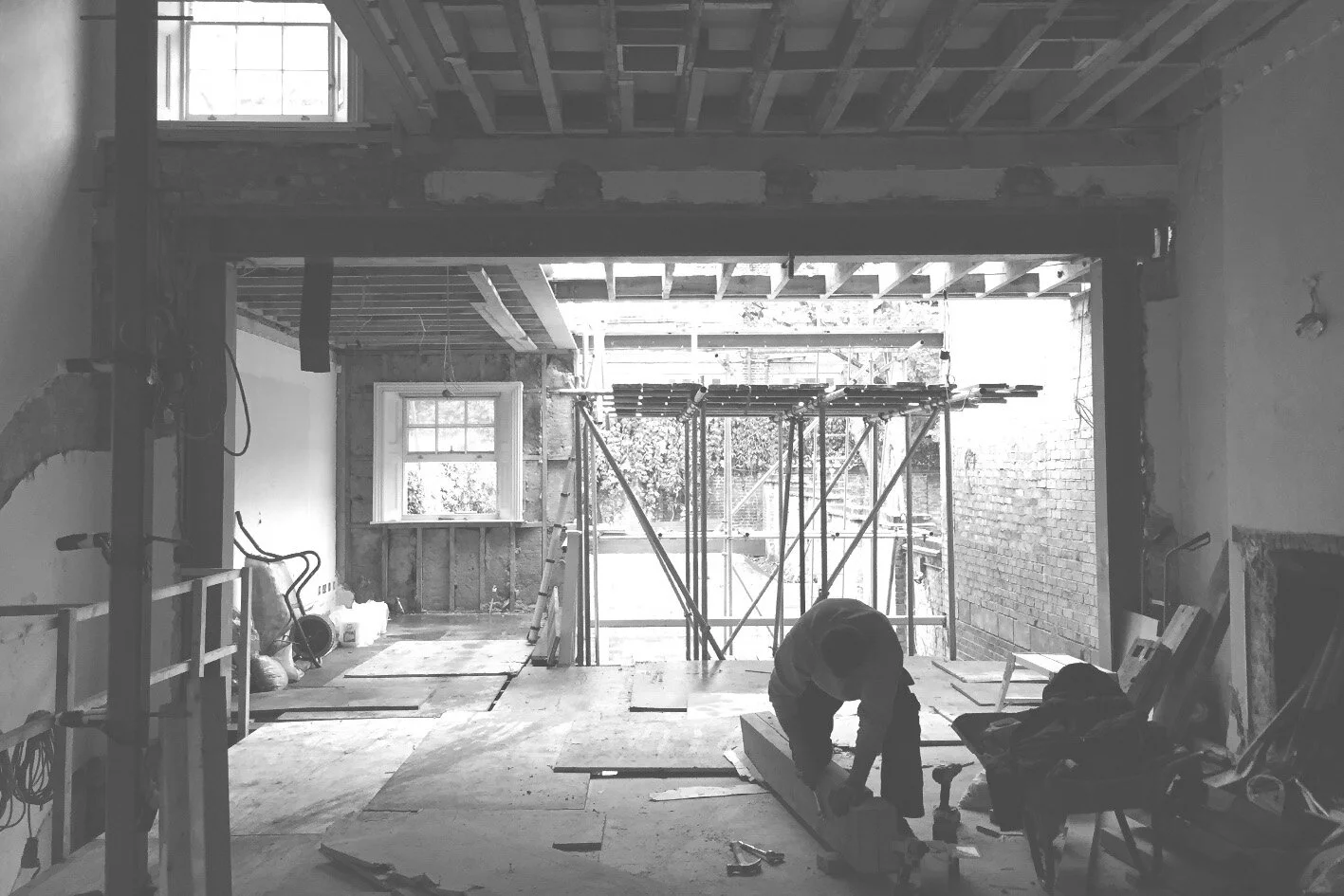
However carefully a project is planned, renovation inevitably involves an element of the unexpected.
Existing buildings can reveal surprises once work begins. A material may become unavailable. A lead time may change. Occasionally, seeing a space develop on site leads us to reconsider a detail.
The aim is not to eliminate every change. It is to have an experienced team around you who can respond thoughtfully when something does change.
Some of the best design solutions emerge through this process.
Let your designer lead
Hiring an interior designer is ultimately about bringing another layer of experience and perspective to your project.
We want our clients to be involved and to feel that their home genuinely reflects them. At the same time, part of our role is to guide the process, challenge ideas where appropriate and introduce possibilities that might not otherwise have been considered.
The most successful projects tend to happen when clients feel confident sharing their priorities and preferences at the beginning, and then give us the space to interpret those ideas creatively.
It is a balance between collaboration and trust.
A shared goal
Ultimately, the client and designer want exactly the same thing: to create a home that feels beautiful, functional and entirely right for the people who live there.
The process of getting there involves hundreds of conversations, drawings, samples, decisions and details. When there is clear communication and mutual trust throughout, that process becomes not only smoother but far more enjoyable.
And, in our experience, the results are always better for it.
Considering a project?
If you are planning a renovation, refurbishment or furnishing project, we would be delighted to hear about your plans.
Every project begins with an initial conversation where we can learn more about your home, discuss your requirements and explain how our design process works.
Get in touch to arrange an initial consultation and discover how we can help create a home that feels considered, timeless and entirely your own.