
How Long Does an Interior Design Project Actually Take?
From the first conversation to the final styling, every project follows its own timeline. Understanding the process from the outset helps create a smoother experience and, ultimately, a better result.
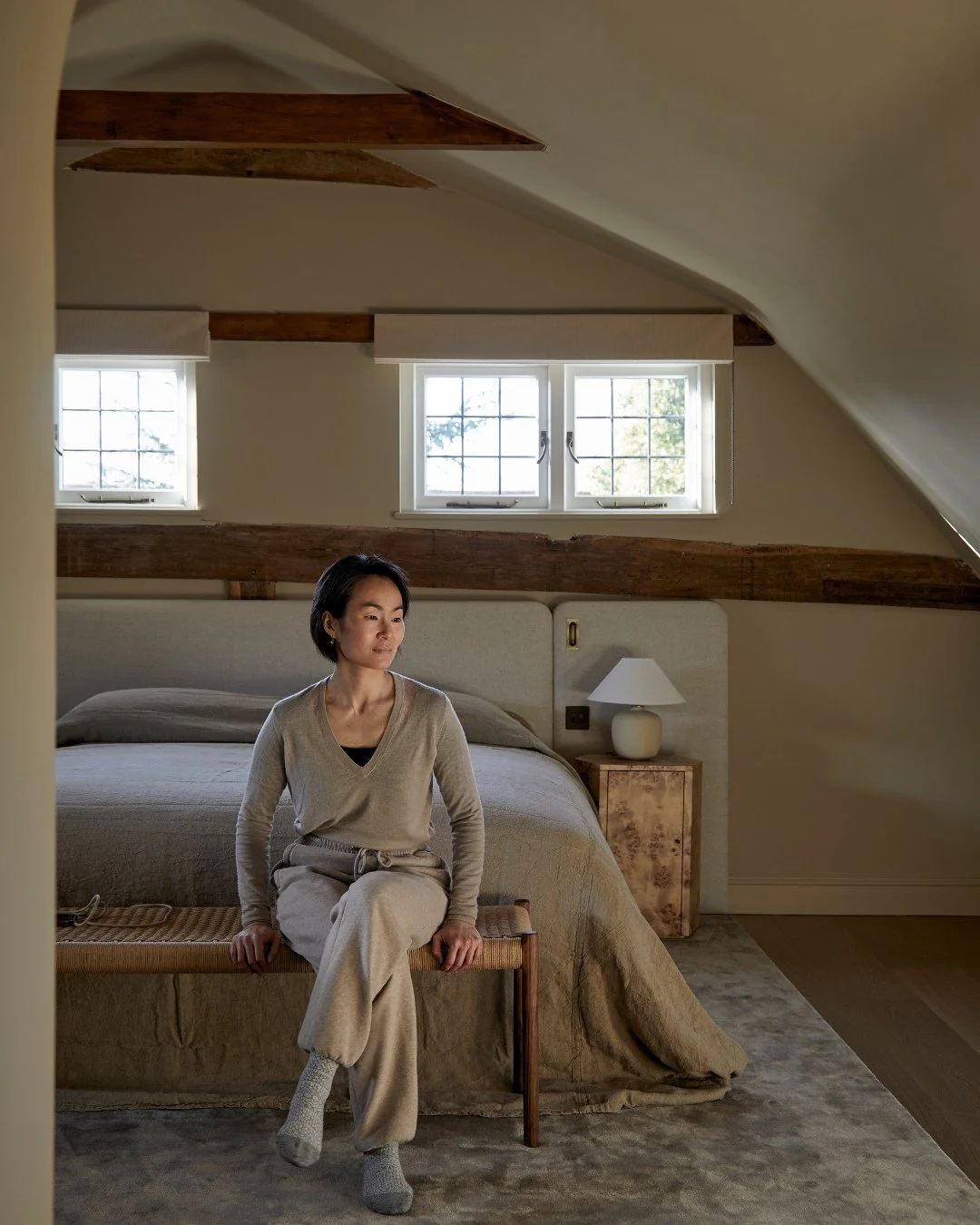
One of the first questions many clients ask is, "How long will my project take?"
It is a perfectly reasonable question, but the answer is rarely straightforward.
The honest answer is that every project is different. The timeline for refreshing a London apartment is very different from a full renovation of a period family home, and every client's brief, property and level of structural work will influence the programme.
That said, one thing remains true across every project: thoughtful interior design takes time.
The homes that feel calm, effortless and beautifully resolved are rarely created quickly. They are the result of careful planning, collaboration and hundreds of considered decisions made long before the furniture arrives.
Every project begins with understanding the brief
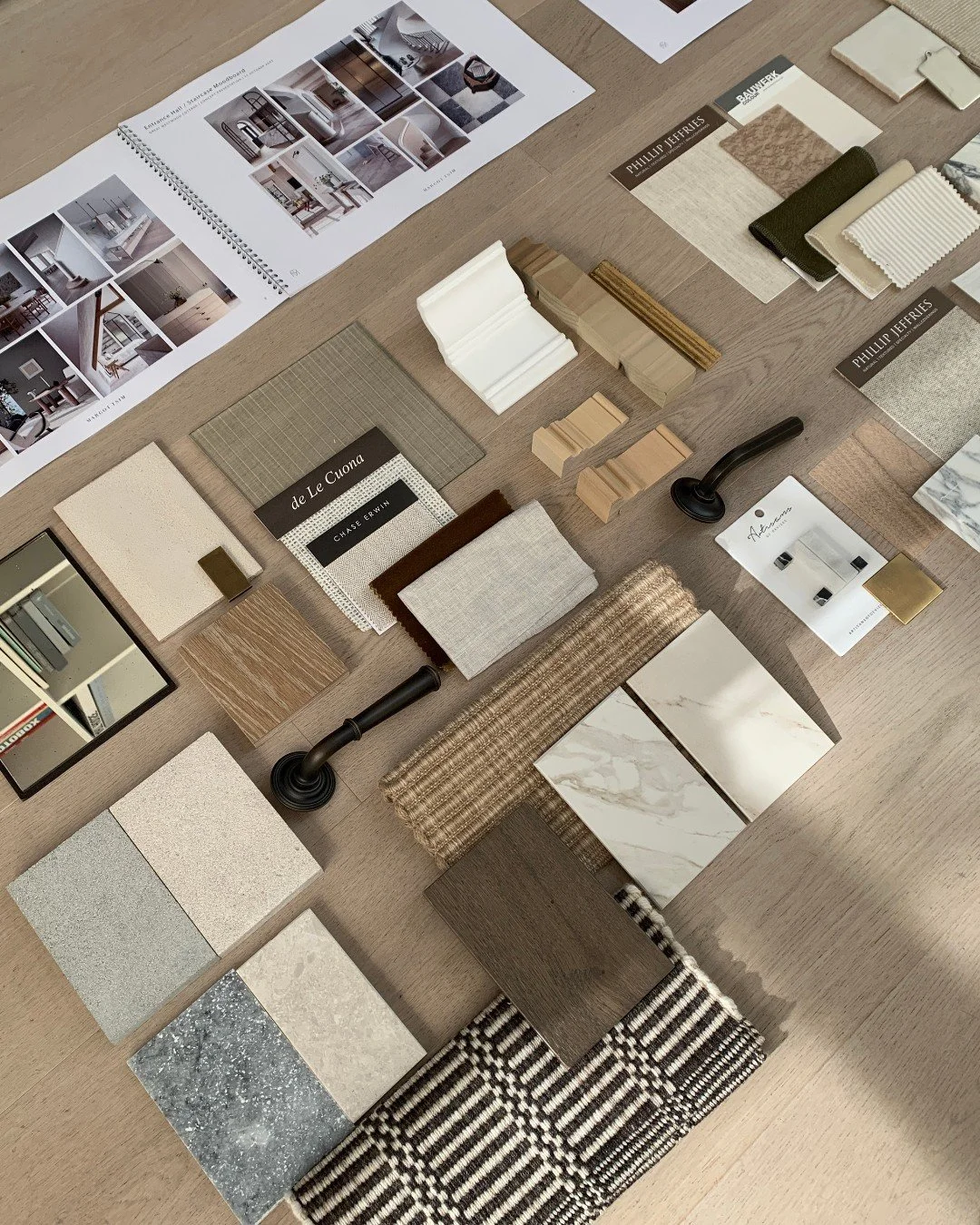
Before any drawings are produced or materials are selected, we spend time understanding how our clients want to live.
The initial consultation allows us to discuss the property, your aspirations, practical requirements and how you would like your home to feel once complete. These early conversations become the foundation for every design decision that follows.
It is often tempting to jump straight into finishes and furniture, but investing time at this stage almost always leads to a smoother project later on
The design phase
Once the brief has been established, the design work begins.
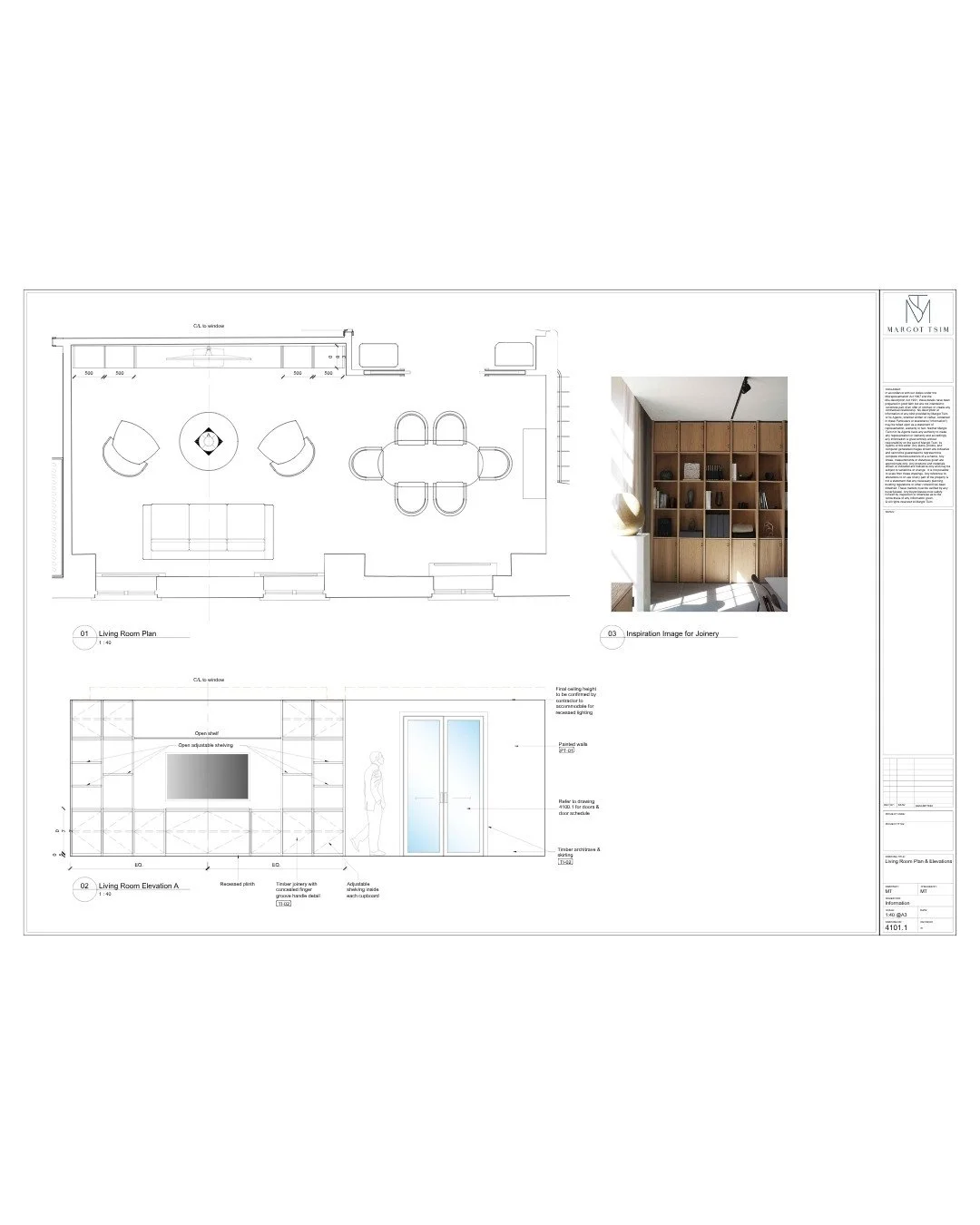
This is often the most creative part of the process. Every decision is tested against the original brief to ensure the finished home not only looks beautiful, but functions beautifully too.
For a full residential refurbishment, this stage typically takes three to six months, depending on the complexity of the project and the speed at which decisions are made.
Whilst clients often see the mood boards and drawings, much of the work happens behind the scenes—coordinating suppliers, refining details and ensuring every element works cohesively.
Technical design and collaboration
As the design develops, we work closely with architects, contractors and specialist makers to translate ideas into something that can be built.
This stage is often less visible but is one of the most important. Detailed joinery drawings, lighting layouts, bespoke furniture, specifications and coordination all need to be carefully resolved before work begins on site.
Spending time resolving these details before construction starts helps avoid costly changes later.
Construction and installation
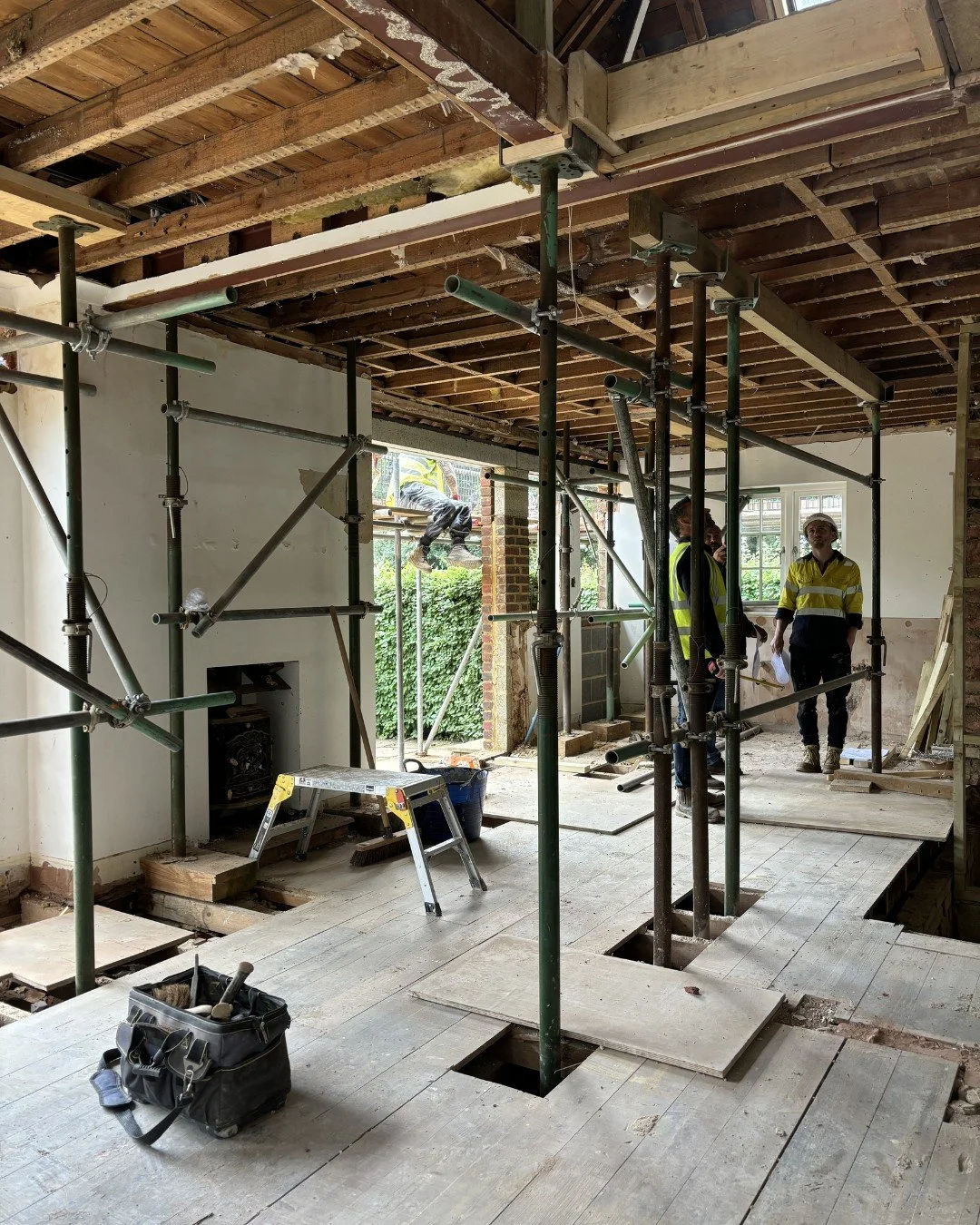
Construction timelines vary significantly depending on the scale of the works.
A decorative refurbishment may take only a few months, whilst a complete renovation of a family home can take a year or more.
Throughout this stage, we remain closely involved, carrying out regular site visits and working alongside the wider project team to ensure the design is delivered as intended.
The final layer
Once the building work is complete, attention turns to furniture, artwork, soft furnishings and styling.
Although this is often the shortest stage of the project, it is the moment a house begins to feel like a home. The final layers bring warmth, personality and balance, allowing every room to feel complete without feeling overworked.
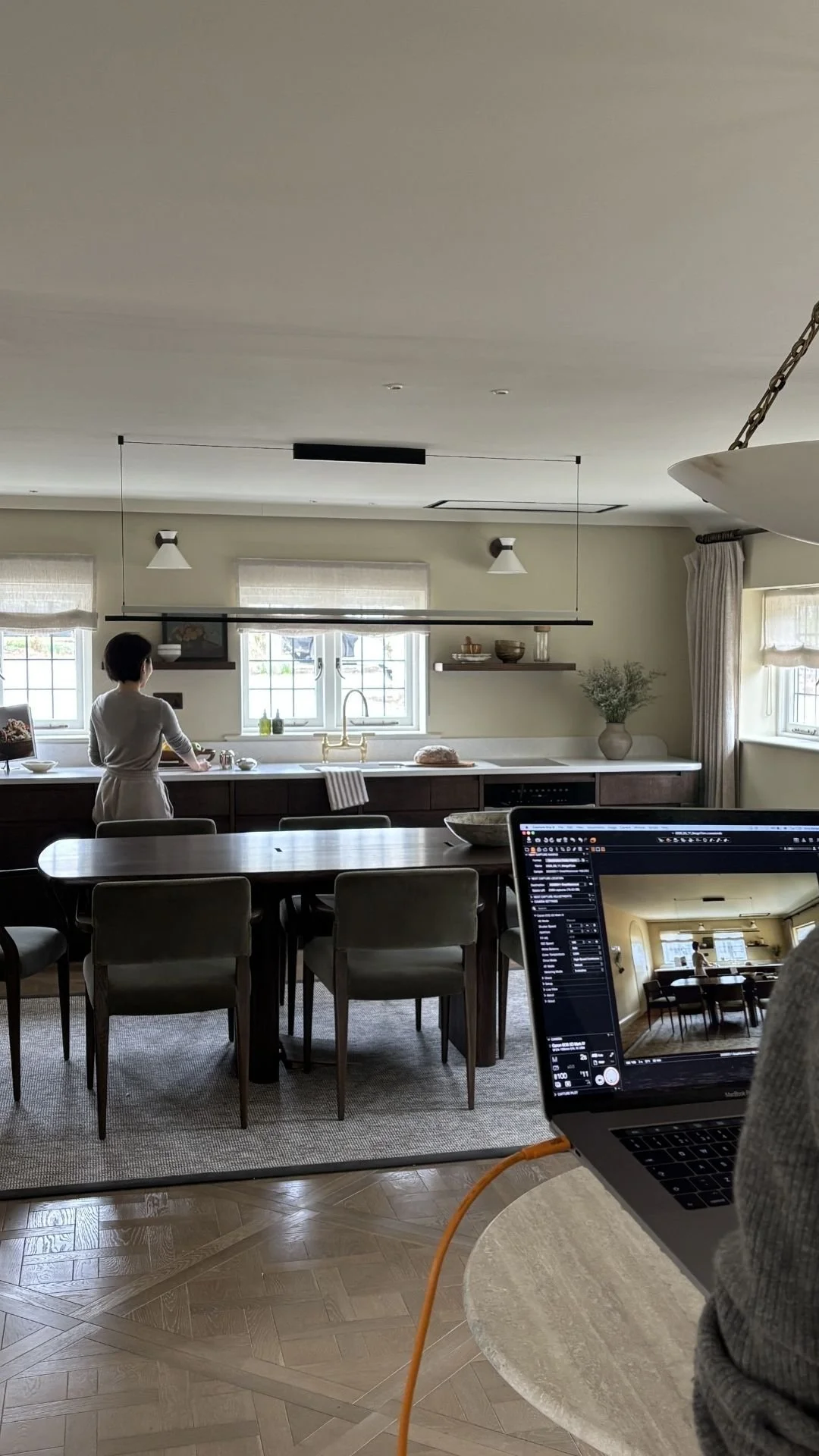
It is also the stage most people see in the finished photography, even though it represents only a small part of the journey.
Why we never rush the process
One of the greatest luxuries in any project is time.
Time to refine ideas.
Time to source the right materials.
Time to collaborate with skilled craftspeople.
Time to ensure every decision feels considered rather than hurried.
Good interior design is rarely about finishing as quickly as possible. It is about creating a home that will feel just as relevant ten or twenty years from now as it does on the day you move back in.
A realistic guide
Whilst every project is unique, a typical full refurbishment often looks something like this:
A typical full refurbishment might include:
Initial consultation & briefing
1–2 weeks
Concept design & design development
3–6 months
Technical design & coordination
Runs alongside the design phase
Construction & installation
6–12+ months depending on scope
Furniture installation & styling
2–4 weeks
Every project moves at its own pace, but thoughtful planning almost always leads to a smoother, more enjoyable experience.
Considering a project?
Whether you are planning a full renovation, refurbishing a period property or furnishing a new home, every project begins with a conversation.
If you are considering a renovation, refurbishment or furnishing project, we would be delighted to arrange an initial consultation and discuss how we can help bring your vision to life.